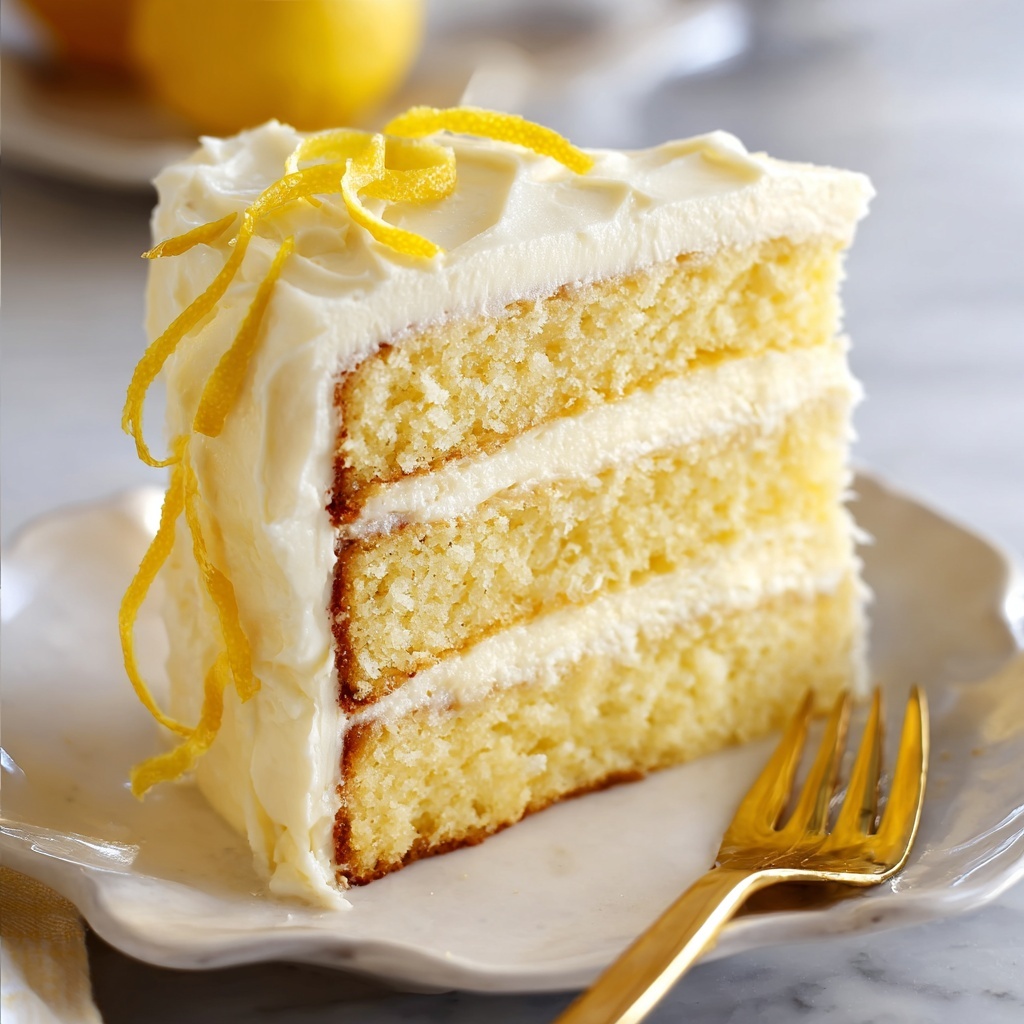
If you’re someone who loves a dessert that bursts with bright, zesty sunshine in every bite, then you are going to adore this Lemon Velvet Cake with Lemon Cream Cheese Frosting Recipe. This cake is the perfect balance of moist, tender crumb and luscious, tangy frosting, creating a captivating symphony of flavors that are as refreshing as they are indulgent. Whether you’re celebrating a special occasion or simply craving a slice of happiness, this recipe is your golden ticket to lemony delight that friends and family will rave about. Trust me, once you try this Lemon Velvet Cake with Lemon Cream Cheese Frosting Recipe, it will become your go-to dessert for all things sweet and citrusy.
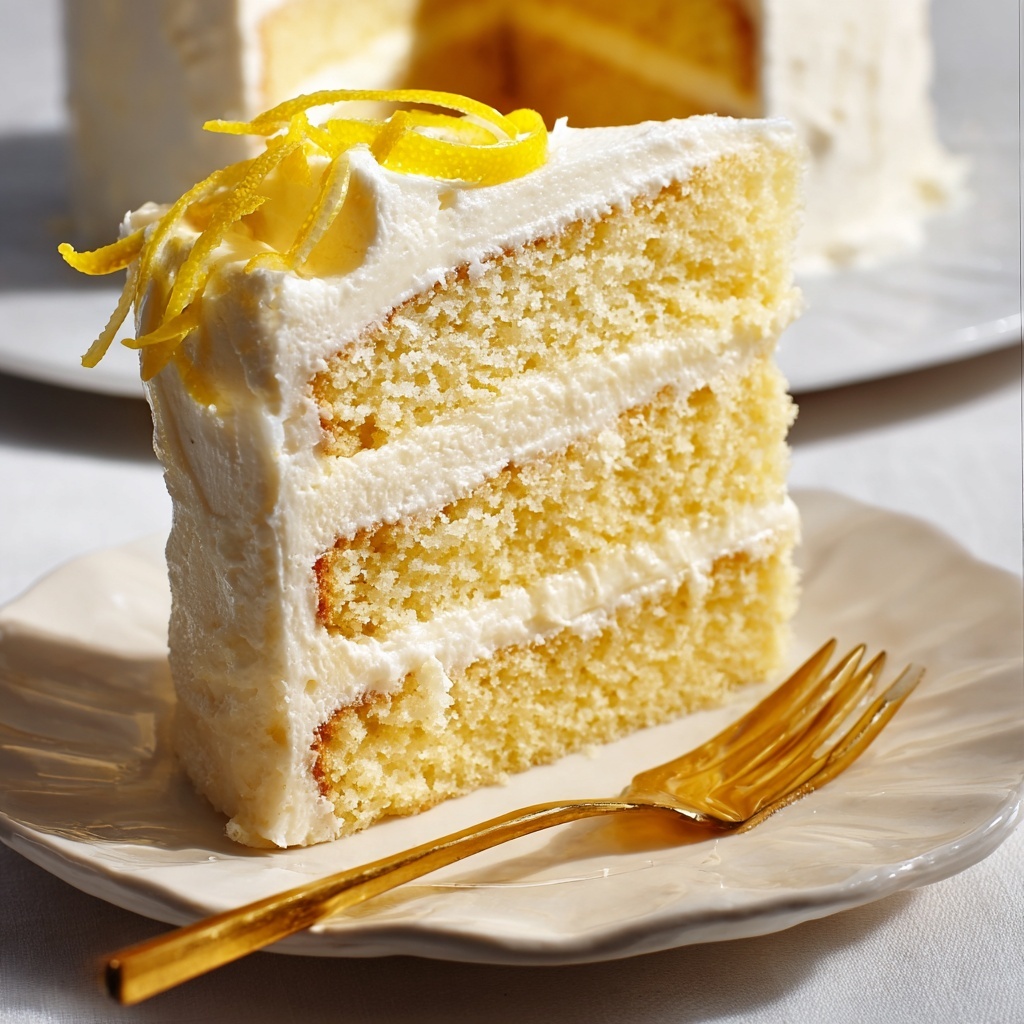
Ingredients You’ll Need
The beauty of this Lemon Velvet Cake with Lemon Cream Cheese Frosting Recipe is in its simplicity and the quality of each ingredient, which all come together to create that perfect texture and flavor. Each component plays a crucial role—from the flours giving the cake its tender crumb, to the zesty lemon that wakes up your taste buds, and the luscious cream cheese frosting that takes it all to the next level.
- 2 cups all-purpose flour: Provides structure and a soft crumb for the cake.
- 1 cup cake flour: Adds an extra tender texture, making the cake velvety smooth.
- 1 tsp baking soda: Helps the cake rise and stay light.
- 1 ½ tsp baking powder: Gives that perfect lift for a fluffy cake.
- ½ tsp salt: Balances sweetness and enhances flavor.
- 2 cups granulated sugar: Sweetens the cake and adds to its moist texture.
- ½ cup vegetable oil: Keeps the cake moist and tender.
- ½ cup butter-flavored shortening (or unsalted butter): Adds richness and helps with the delicate crumb.
- 4 large eggs: Bind everything together and add richness.
- 1 ½ tsp pure vanilla extract: Adds depth and warmth to the flavor.
- 1 tsp pure lemon extract: Boosts the lemony brightness.
- 1 tbsp lemon zest: Infuses fresh citrus aroma and flavor.
- 1 cup buttermilk: Tenderizes the crumb and adds subtle tang.
- 1 tbsp white distilled vinegar: Reacts with baking soda for fluffiness and balances sweet flavors.
- ¼ cup hot water mixed with 2 tbsp fresh lemon juice: Enhances moisture and lemon punch.
- Yellow food coloring (optional): Gives the cake a sunny, inviting color.
- 8 oz cream cheese, softened: The star ingredient for a creamy, tangy frosting.
- ½ cup unsalted butter, softened: Adds richness and smoothness to frosting.
- 1 tsp pure vanilla extract: Balances the tartness in the frosting.
- 1 tsp pure lemon extract: Intensifies the lemon flavor in the frosting.
- 1 tbsp lemon zest: Adds fresh, vibrant bursts of citrus.
- 4 cups powdered sugar, sifted: Sweetens and thickens frosting for perfect spreading.
- 1-2 tbsp lemon juice (if needed, for consistency): Adjusts frosting consistency while boosting flavor.
- Yellow food coloring (optional): Gives frosting a lovely lemony tint.
How to Make Lemon Velvet Cake with Lemon Cream Cheese Frosting Recipe
Step 1: Preparing Your Pans and Ingredients
Begin by preheating your oven to 325°F (165°C). Grease and flour two 9-inch round cake pans, then line the bottoms with parchment paper for an easy release. This simple prep helps ensure your beautiful cakes come out perfect every time without sticking or tearing.
Step 2: Mixing Dry Ingredients
In a medium bowl, whisk together the all-purpose flour, cake flour, baking soda, baking powder, and salt. This blend is essential to give your cake its tender structure and balanced rise—whisking well now helps keep everything even so the batter bakes uniformly.
Step 3: Creaming the Wet Ingredients
In a large mixing bowl, beat granulated sugar, vegetable oil, and butter-flavored shortening until light and fluffy. This creaming process is the secret to a moist and airy cake crumb, creating air pockets that help the cake rise beautifully.
Step 4: Adding Eggs and Flavorings
Add eggs one at a time, mixing well after each addition to fully incorporate and keep the batter smooth. Follow with vanilla extract, lemon extract, and lemon zest for that unmistakable bright and rich lemon flavor that shines through in this Lemon Velvet Cake with Lemon Cream Cheese Frosting Recipe.
Step 5: Combining Dry Ingredients and Buttermilk
Alternately add in the dry ingredients and buttermilk, starting and ending with the dry ingredients, and gently mix until just combined. This method keeps your batter light and prevents overmixing, which can make a cake tough.
Step 6: Incorporating Vinegar and Lemon Water
Stir in the white vinegar and hot lemon water mixture until smooth. The vinegar reacts with the baking soda to create even more lift, while the hot lemon water intensifies the lemon flavor and keeps the cake moist. Add a few drops of yellow food coloring now if you want a vibrant yellow color that looks as good as it tastes.
Step 7: Baking the Cake
Divide the batter evenly between the prepared pans, then bake for 25-30 minutes or until a toothpick inserted in the centers comes out clean. This step is where all your hard work starts to transform into that gorgeous, aromatic cake you’re dreaming of.
Step 8: Cooling the Cakes
Let your cakes cool in the pans for 10 minutes before transferring them to a wire rack to cool completely. Patience here pays off; frosting warm cake can cause melting and sliding, so letting them cool fully ensures a flawless finish.
Step 9: Making the Lemon Cream Cheese Frosting
Beat softened cream cheese and butter together until creamy and smooth. Add vanilla extract, lemon extract, and lemon zest to keep your frosting bursting with citrus flavor. Gradually add sifted powdered sugar, beating until silky and fluffy. If the frosting feels too thick, stir in a bit of lemon juice to get that perfect spreadable consistency. For an inviting tint, blend in a touch of yellow food coloring.
Step 10: Assembling Your Cake
Place one cooled cake layer on a serving plate. Spread a generous layer of luscious lemon cream cheese frosting on top. Top with the second cake layer, then envelop the entire cake with the rest of your frosting, creating a smooth, inviting surface. Garnish with a sprinkle of lemon zest or thin lemon slices for that finishing touch.
How to Serve Lemon Velvet Cake with Lemon Cream Cheese Frosting Recipe
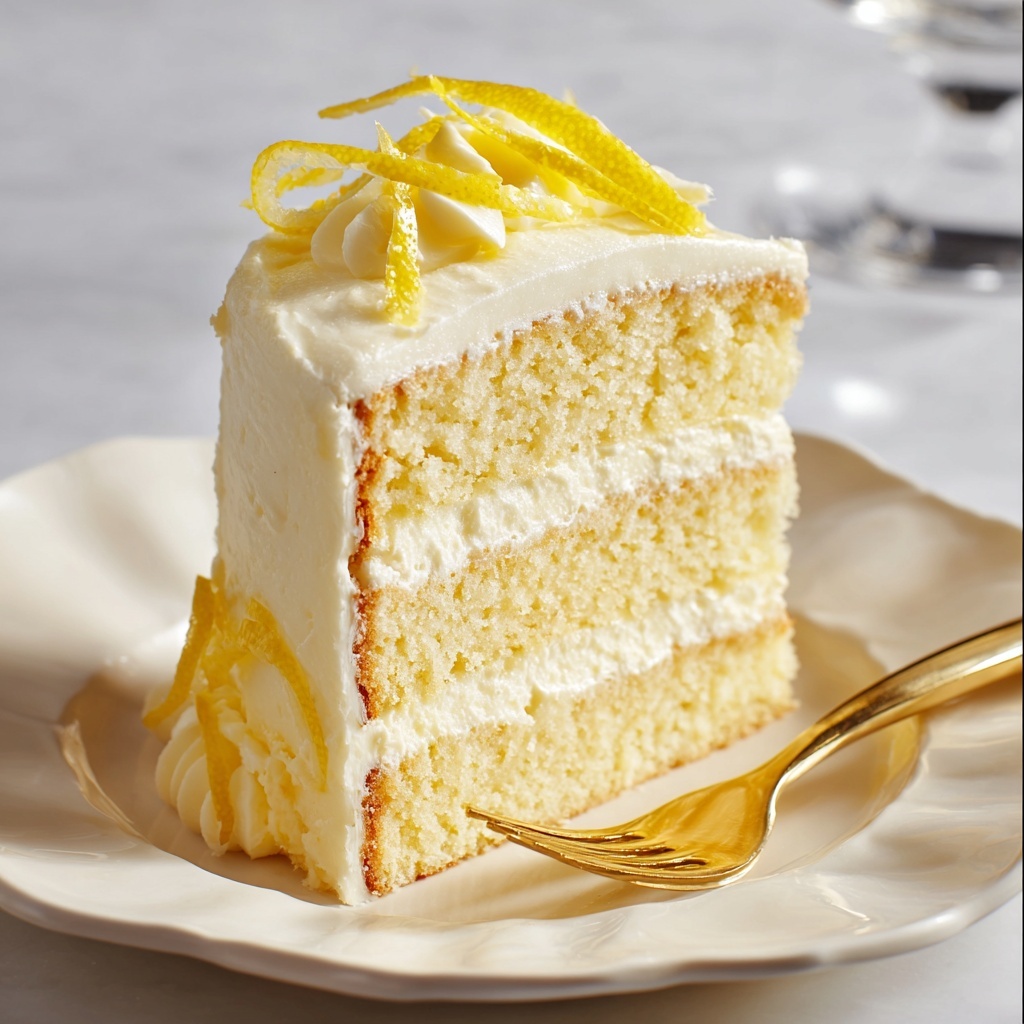
Garnishes
The simplest garnish can elevate this cake beautifully. Fresh lemon zest adds a pop of color and freshness, while thinly sliced lemon wheels bring an elegant and natural decoration. Edible flowers or mint leaves can also add a lovely touch for a special occasion.
Side Dishes
This lemon-filled treat pairs wonderfully with light accompaniments. Serve it alongside fresh berries or a crisp salad for a refreshing contrast. A dollop of whipped cream or a scoop of vanilla ice cream can also balance the cake’s tanginess, making each bite even more delightful.
Creative Ways to Present
For an eye-catching dessert table, try serving individual slices on pretty dessert plates with a drizzle of lemon glaze or a dusting of powdered sugar. You can also turn this cake into mini trifles by layering crumbled cake and frosting with lemon curd in glasses for a fun twist on the classic Lemon Velvet Cake with Lemon Cream Cheese Frosting Recipe.
Make Ahead and Storage
Storing Leftovers
Store your leftover cake covered in an airtight container in the refrigerator to keep the frosting fresh and the cake moist. It’s best enjoyed within 3-4 days for optimal taste and texture.
Freezing
You can freeze baked cake layers wrapped tightly in plastic wrap and aluminum foil for up to 2 months. Frosted cake can also be frozen, but be sure to freeze uncovered until firm, then cover it well to prevent frost buildup.
Reheating
If you prefer your cake slightly warmed, let refrigerated slices come to room temperature first. You can gently warm unfrosted slices in the microwave for 10-15 seconds, but avoid heating frosted portions since the frosting might melt.
FAQs
Can I use regular butter instead of shortening?
Absolutely! Using unsalted butter instead of shortening will add a richer flavor, though the texture may be slightly less tender. Both options work well for this Lemon Velvet Cake with Lemon Cream Cheese Frosting Recipe.
Is cake flour necessary?
While cake flour adds a lighter, softer texture, you can substitute it by replacing 2 tablespoons of all-purpose flour per cup with cornstarch. This helps maintain that tender crumb if you don’t have cake flour on hand.
Can I make this cake gluten-free?
Yes, by swapping the flours with a gluten-free baking flour blend that includes xanthan gum, you can still achieve a moist and delicious Lemon Velvet Cake, though the texture might vary slightly.
How do I prevent the frosting from being too runny?
Be sure to sift your powdered sugar before adding and add liquid lemon juice gradually, checking texture in between. If it’s too runny, adding more powdered sugar will thicken it back up quickly.
Can this cake be made in one pan?
While this recipe is designed for two 9-inch pans for even baking, you can bake in one larger pan but adjust the baking time accordingly and check for doneness with a toothpick tester.
Final Thoughts
This Lemon Velvet Cake with Lemon Cream Cheese Frosting Recipe truly brings a bright and cheerful twist to classic cake baking. It’s one of those desserts that feels like a warm hug on a sunny day, perfect for any celebration or cozy moment. Once you master this recipe, I promise, it will become your lemon-loving signature dessert that everyone asks for again and again. So go ahead, bake a batch, share it with people you love, and savor every zesty, velvety bite!
Print
Lemon Velvet Cake with Lemon Cream Cheese Frosting Recipe
- Prep Time: 20 minutes
- Cook Time: 30 minutes
- Total Time: 1 hour
- Yield: 12 servings
- Category: Dessert
- Method: Baking
- Cuisine: American
- Diet: Vegetarian
Description
This Lemon Velvet Cake with Lemon Cream Cheese Frosting is a delightful, moist layer cake bursting with fresh citrus flavors. Featuring a tender crumb from a blend of all-purpose and cake flours, enhanced with lemon zest and extracts, and complemented by a rich cream cheese frosting with a lemony twist, it’s the perfect dessert for any occasion. Its vibrant yellow color and bright flavor make it as beautiful as it is delicious.
Ingredients
Cake:
- 2 cups all-purpose flour
- 1 cup cake flour
- 1 tsp baking soda
- 1 ½ tsp baking powder
- ½ tsp salt
- 2 cups granulated sugar
- ½ cup vegetable oil
- ½ cup butter-flavored shortening (or unsalted butter)
- 4 large eggs
- 1 ½ tsp pure vanilla extract
- 1 tsp pure lemon extract
- 1 tbsp lemon zest
- 1 cup buttermilk
- 1 tbsp white distilled vinegar
- ¼ cup hot water mixed with 2 tbsp fresh lemon juice
- Yellow food coloring (optional)
Frosting:
- 8 oz cream cheese, softened
- ½ cup unsalted butter, softened
- 1 tsp pure vanilla extract
- 1 tsp pure lemon extract
- 1 tbsp lemon zest
- 4 cups powdered sugar, sifted
- 1–2 tbsp lemon juice (if needed, for consistency)
- Yellow food coloring (optional)
Instructions
- Preheat and prepare pans: Preheat the oven to 325°F (165°C). Grease and flour two 9-inch round cake pans, then line the bottoms with parchment paper to prevent sticking.
- Mix dry ingredients: In a medium bowl, whisk together the all-purpose flour, cake flour, baking soda, baking powder, and salt. Set aside for later use.
- Cream fats and sugar: In a large mixing bowl, beat together the granulated sugar, vegetable oil, and butter-flavored shortening until light and fluffy, which builds the cake’s structure.
- Add eggs and flavorings: Add eggs one at a time to the fat mixture, mixing well after each addition to ensure proper incorporation. Then mix in the vanilla extract, lemon extract, and lemon zest to infuse lemon flavor.
- Combine dry and wet ingredients: Alternately add the dry flour mixture and buttermilk to the wet ingredients, starting and ending with the dry mixture. Mix gently until just combined to maintain a tender crumb.
- Add vinegar and lemon water: Stir in white distilled vinegar and the hot lemon water mixture until the batter is smooth. Add yellow food coloring if you desire a more vibrant lemon color.
- Divide batter and bake: Divide the batter evenly between the prepared cake pans for uniform layers.
- Bake: Bake for 25-30 minutes or until a toothpick inserted in the center comes out clean, indicating the cakes are fully baked.
- Cool cakes: Let the cakes cool in the pans for 10 minutes, then transfer them to a wire rack to cool completely.
- Prepare frosting base: In a large mixing bowl, beat the softened cream cheese and unsalted butter together until creamy and well combined.
- Add flavorings to frosting: Mix in the vanilla extract, lemon extract, and lemon zest until evenly incorporated into the frosting.
- Add powdered sugar: Gradually add the sifted powdered sugar one cup at a time, beating after each addition until smooth, fluffy, and spreadable.
- Adjust consistency: If the frosting is too thick, add 1-2 tablespoons of lemon juice until desired spreading consistency is achieved.
- Add color (optional): Mix in yellow food coloring to give the frosting a subtle lemon tint, if desired.
- Assemble cake: Place one cooled cake layer on a serving plate and spread a generous amount of lemon cream cheese frosting evenly over the top.
- Top with second layer: Place the second cake layer on top of the frosted layer, then frost the top and sides of the cake with the remaining frosting for a smooth finish.
- Garnish: Optionally, garnish the cake with extra lemon zest or thin lemon slices for a fresh, decorative touch.
- Serve: Slice and serve this bright and citrusy lemon velvet cake to your delighted guests!
Notes
- The combination of cake flour and all-purpose flour helps create a tender yet sturdy crumb.
- Using both lemon extract and fresh lemon zest intensifies the lemon flavor.
- White distilled vinegar reacts with baking soda to help the cake rise and stay moist.
- Allow the cake layers to cool completely before frosting to prevent melting or sliding.
- You can substitute butter-flavored shortening with unsalted butter for a richer taste.
- Adjust the amount of lemon juice in the frosting to get the desired spreadability without thinning it too much.
- The optional yellow food coloring is purely for aesthetic enhancement and can be omitted.