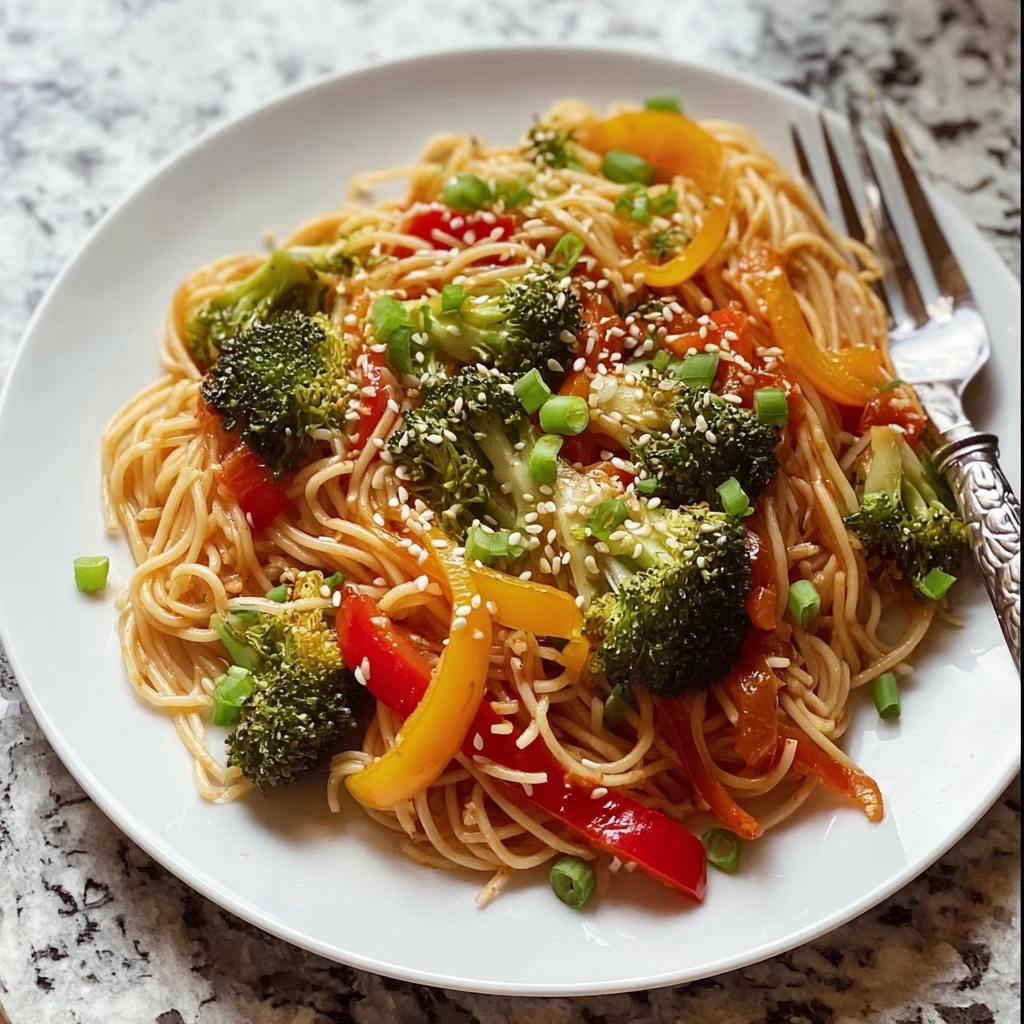
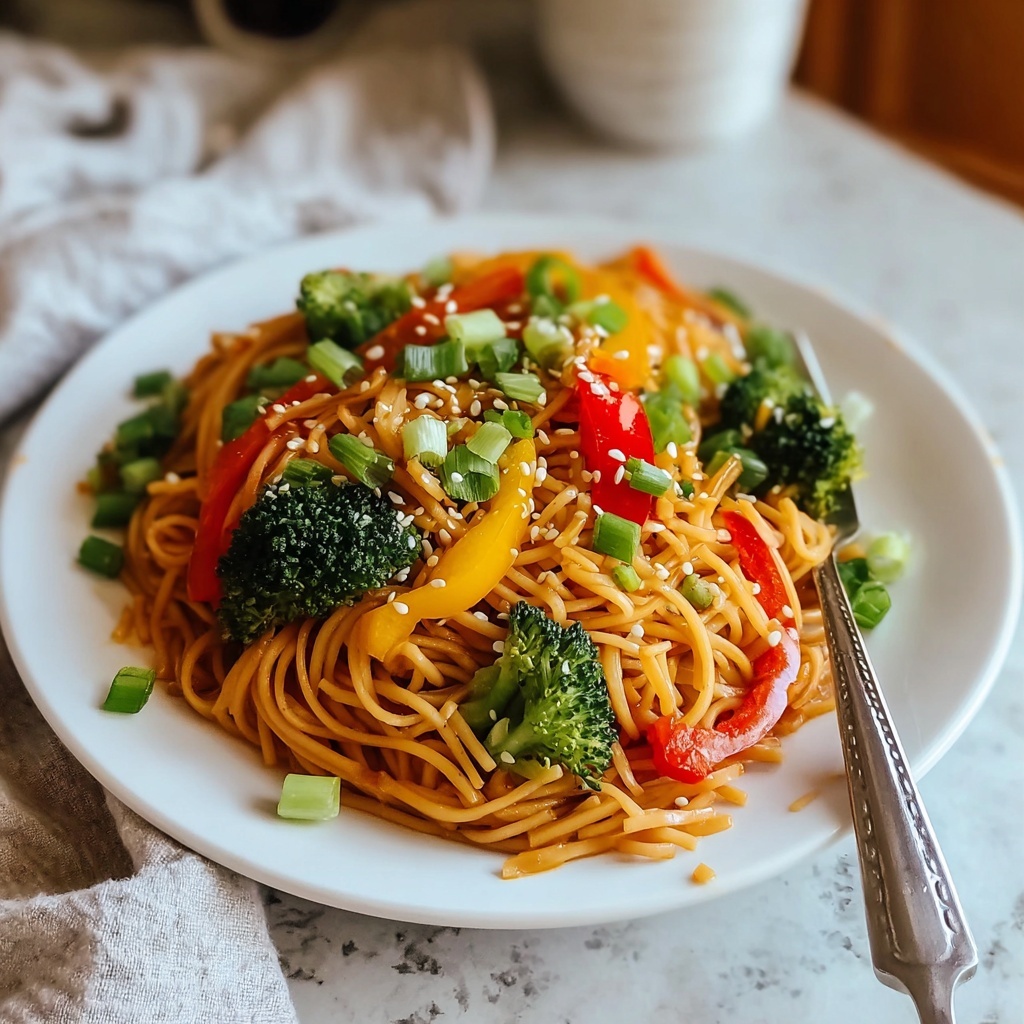
If you love dishes that deliver bold flavors with a perfect balance of spicy, savory, and a hint of sweetness, then the Gochujang Pasta: 7 Irresistible Reasons to Try Today Recipe is going to be your new kitchen favorite. This Korean-Italian fusion creation is all about transforming simple ingredients into a vibrant, addictive meal that’s ready in just about 25 minutes. The umami-packed gochujang paste combined with silky pasta and fresh veggies creates a harmony of tastes and textures you won’t want to miss.
Ingredients You’ll Need
Gathering the right ingredients is the first step toward making this dish truly shine. Each element plays a crucial role in building layers of flavor, from the spicy kick of gochujang to the nutty richness of sesame oil, ensuring every bite is as delightful as the last.
- 200g pasta: Use your favorite type like spaghetti or linguine to soak up the spicy sauce perfectly.
- 2 tablespoons gochujang: This Korean chili paste adds the signature sweet heat that’s irresistible.
- 1 tablespoon soy sauce: It deepens the salty, savory notes harmonizing with the gochujang.
- 1 tablespoon sesame oil: Provides a toasty aroma that ties the whole dish together.
- 2 cloves garlic, minced: Adds pungent warmth and richness to the sauce.
- 1 tablespoon ginger, minced: Offers a fresh, zesty undertone to brighten the flavors.
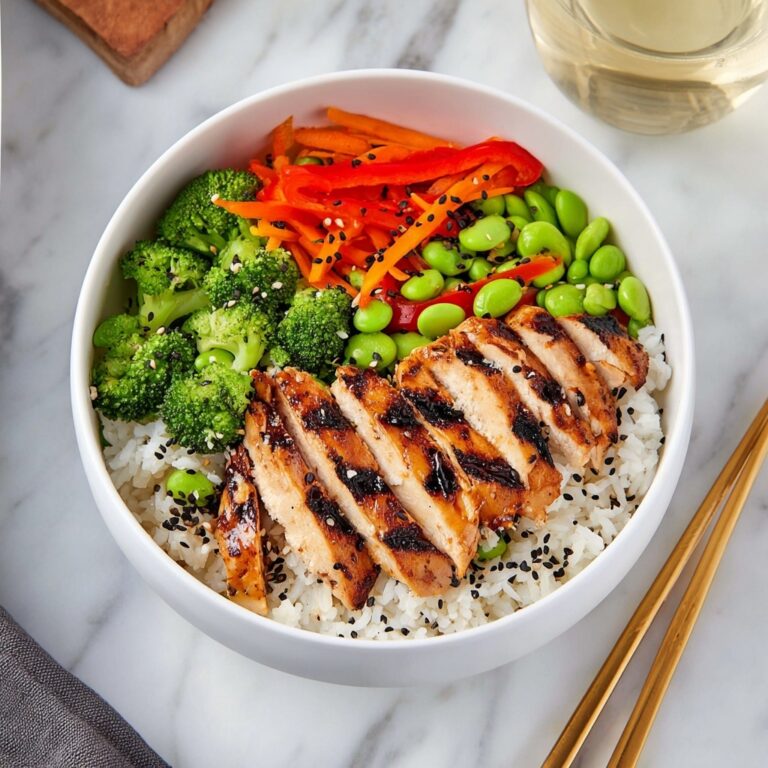
- 1 cup vegetables (bell peppers, carrots, broccoli): A colorful, crunchy mix to balance texture and nutrition.
- 2 green onions, chopped: For a fresh, slightly sharp garnish that finishes the dish nicely.
- Sesame seeds for garnish: Adds a delightful crunch and nutty flavor with every bite.
How to Make Gochujang Pasta: 7 Irresistible Reasons to Try Today Recipe
Step 1: Cook the Pasta Perfectly
Start by bringing a large pot of salted water to a boil and cook your pasta according to package instructions until al dente. This ensures your pasta has just the right bite to carry the rich gochujang sauce without becoming mushy.
Step 2: Heat the Sesame Oil for a Flavor Boost
In a pan over medium heat, warm the sesame oil until it’s shimmering but not smoking. This oil is key for infusing the dish with its signature nutty aroma, setting the stage for the layers of flavor to come.
Step 3: Sauté Garlic and Ginger Until Fragrant
Add the minced garlic and ginger to the oil, sautéing just until they release their beautiful fragrance. This step is vital because it releases essential oils that create a warm base flavor, crucial for balancing the heat of the gochujang.
Step 4: Stir in Gochujang and Soy Sauce
Now’s the moment to introduce the vibrant gochujang paste and soy sauce, stirring them into the garlic-ginger mixture to form a glossy, spicy sauce packed with umami depth. This combination is truly what makes the recipe unforgettable.
Step 5: Add and Cook the Vegetables
Toss in your chosen vegetables—bell peppers, carrots, and broccoli work beautifully—and cook until they are tender but still crisp. These veggies add fresh color, texture, and nutrition, making the dish feel light yet satisfying.
Step 6: Combine the Pasta and Sauce
Drain the pasta and add it directly to the pan, tossing it thoroughly with the gochujang sauce and vegetables. This allows every strand to be coated evenly, ensuring every bite bursts with bold flavor.
Step 7: Garnish to Finish
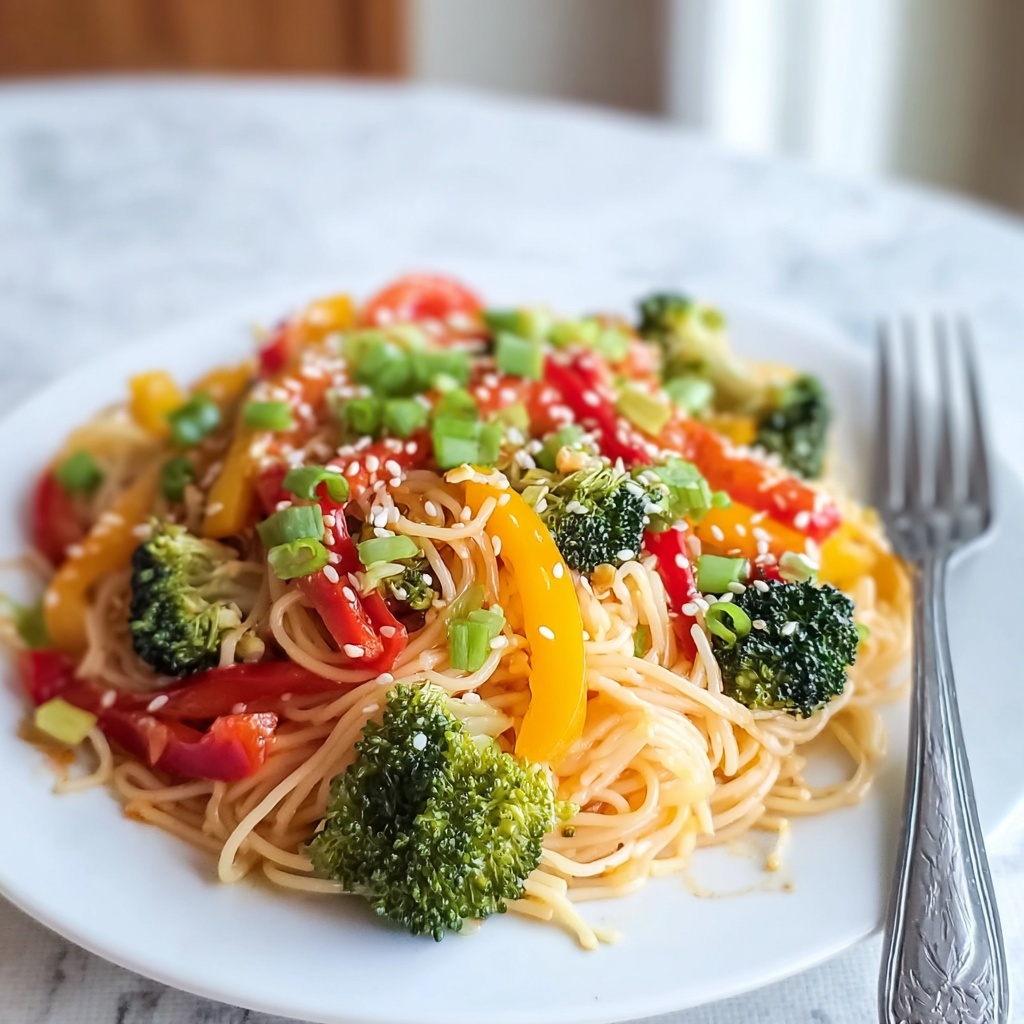
Sprinkle your freshly chopped green onions and sesame seeds right before serving. These garnishes bring a lovely crunch and a hint of freshness that contrasts beautifully with the spicy sauce.
How to Serve Gochujang Pasta: 7 Irresistible Reasons to Try Today Recipe
Garnishes
Don’t underestimate the power of garnishes. Chopped green onions add a mild pungency and bright pop of green, while sesame seeds contribute a nutty flavor and textural contrast that make the dish feel special and complete.
Side Dishes
This pasta pairs wonderfully with light sides like a crisp cucumber salad or steamed greens, which provide a refreshing counterpoint to the bold, spicy sauce. You might also enjoy it alongside simple pickled vegetables to introduce a tangy element.
Creative Ways to Present
For an elevated presentation, serve the pasta in shallow bowls, artistically arranged with extra veggies on top and a sprinkle of sesame seeds. You can even drizzle a little extra sesame oil or a squeeze of fresh lime juice just before serving to brighten the flavors.
Make Ahead and Storage
Storing Leftovers
Store any leftover gochujang pasta in an airtight container in the refrigerator for up to 3 days. Keeping it chilled promptly helps preserve the freshness of the vegetables and the bold flavors of the sauce.
Freezing
This pasta freezes reasonably well, just note that the texture of some vegetables may soften upon thawing. When freezing, separate the pasta into portion-sized containers and freeze for up to 1 month to enjoy later.
Reheating
To reheat, gently warm the pasta in a skillet over medium-low heat, adding a splash of water or sesame oil if it seems dry. This helps the sauce loosen up and keeps the dish tasting vibrant rather than dried out.
FAQs
What is gochujang?
Gochujang is a Korean fermented chili paste made from chili powder, glutinous rice, fermented soybeans, and salt. It’s known for its spicy, sweet, and umami-rich flavor that adds depth to many dishes.
Can I make this recipe vegan?
Absolutely! This recipe is naturally vegan if you use pasta without eggs. The rich umami from the gochujang and soy sauce means you won’t miss meat or dairy at all.
How spicy is this pasta?
The gochujang adds a moderate heat with a subtle sweetness. If you prefer a milder dish, reduce the gochujang amount or balance it with a little more sesame oil or a touch of sugar.
What pasta works best for this recipe?
Long, thin pastas like spaghetti, linguine, or even angel hair work beautifully to carry the sauce. However, you can also try twisted or tubular shapes to capture bits of the sauce and veggies.
Can I add protein to this recipe?
Definitely! Tofu, grilled chicken, or shrimp pair wonderfully with the gochujang sauce. Simply cook your protein separately and toss it in during the final step for a heartier meal.
Final Thoughts
I can’t recommend the Gochujang Pasta: 7 Irresistible Reasons to Try Today Recipe enough — it’s that perfect blend of spicy, savory, and fresh that makes you want to keep coming back for more. Whether you’re looking to spice up your weeknight meals or impress friends with something new, this recipe delivers on all fronts. Give it a try and watch it become a staple in your cooking rotation!
Print
Gochujang Pasta: 7 Irresistible Reasons to Try Today Recipe
- Prep Time: 5 minutes
- Cook Time: 20 minutes
- Total Time: 25 minutes
- Yield: 2 servings
- Category: Main Course
- Method: Stovetop
- Cuisine: Fusion (Korean-Italian)
Description
A flavorful and spicy Gochujang Pasta that combines Korean chili paste with tender vegetables and perfectly cooked pasta for a quick, delicious meal ready in just 25 minutes. This fusion dish is ideal for those seeking a unique twist on traditional pasta with bold, umami-packed flavors.
Ingredients
Dry Ingredients
- 200g pasta
- 1 tablespoon soy sauce
Sauces and Oils
- 2 tablespoons gochujang
- 1 tablespoon sesame oil
Aromatics
- 2 cloves garlic, minced
- 1 tablespoon ginger, minced
Vegetables and Garnish
- 1 cup mixed vegetables (bell peppers, carrots, broccoli)
- 2 green onions, chopped
- Sesame seeds for garnish
Instructions
- Cook the pasta: Boil pasta according to package directions until al dente. Drain and set aside.
- Heat oil and sauté aromatics: In a pan over medium heat, warm the sesame oil. Add minced garlic and ginger, cooking until fragrant and slightly softened, about 1-2 minutes.
- Add sauces: Stir in gochujang and soy sauce, mixing thoroughly to create a flavorful base.
- Cook vegetables: Add the chopped vegetables to the pan and cook until tender but still crisp, approximately 4-5 minutes.
- Toss pasta with sauce and vegetables: Add the cooked pasta to the pan and toss everything together to evenly coat the pasta with the gochujang sauce and vegetables.
- Garnish and serve: Sprinkle chopped green onions and sesame seeds on top before serving for added flavor and texture.
Notes
- Use any vegetables you prefer or have on hand for variety.
- Adjust gochujang quantity to control the spice level.
- For a creamier texture, add a splash of pasta cooking water when tossing the pasta.
- This dish pairs well with a side of steamed greens or kimchi for an added Korean touch.