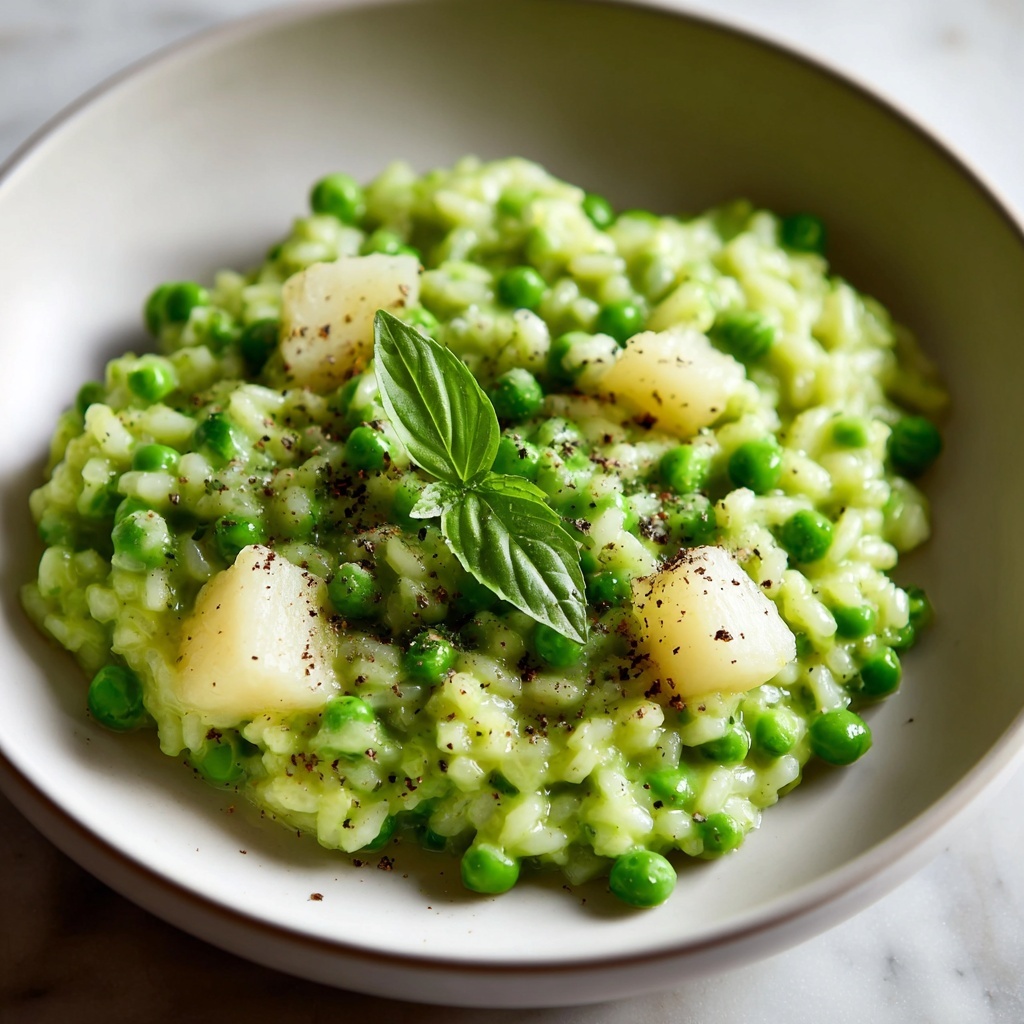
If you are on the hunt for a dish that’s both vibrant and comforting, the Fresh Pea Risotto Recipe is a true kitchen gem. Creamy, luscious Arborio rice cooked to perfection, punctuated by bursts of fresh, sweet peas, creates a gorgeous balance of flavors and textures. This recipe elevates simple ingredients such as vegetable broth, Parmesan, and lemon zest into a warm, elegant meal that feels fresh enough for spring but cozy enough for any season. Whether it’s a weeknight dinner or a celebratory meal, this risotto brings bright color and soulful satisfaction to your table, making it an instant favorite to share with friends or family.
Ingredients You’ll Need
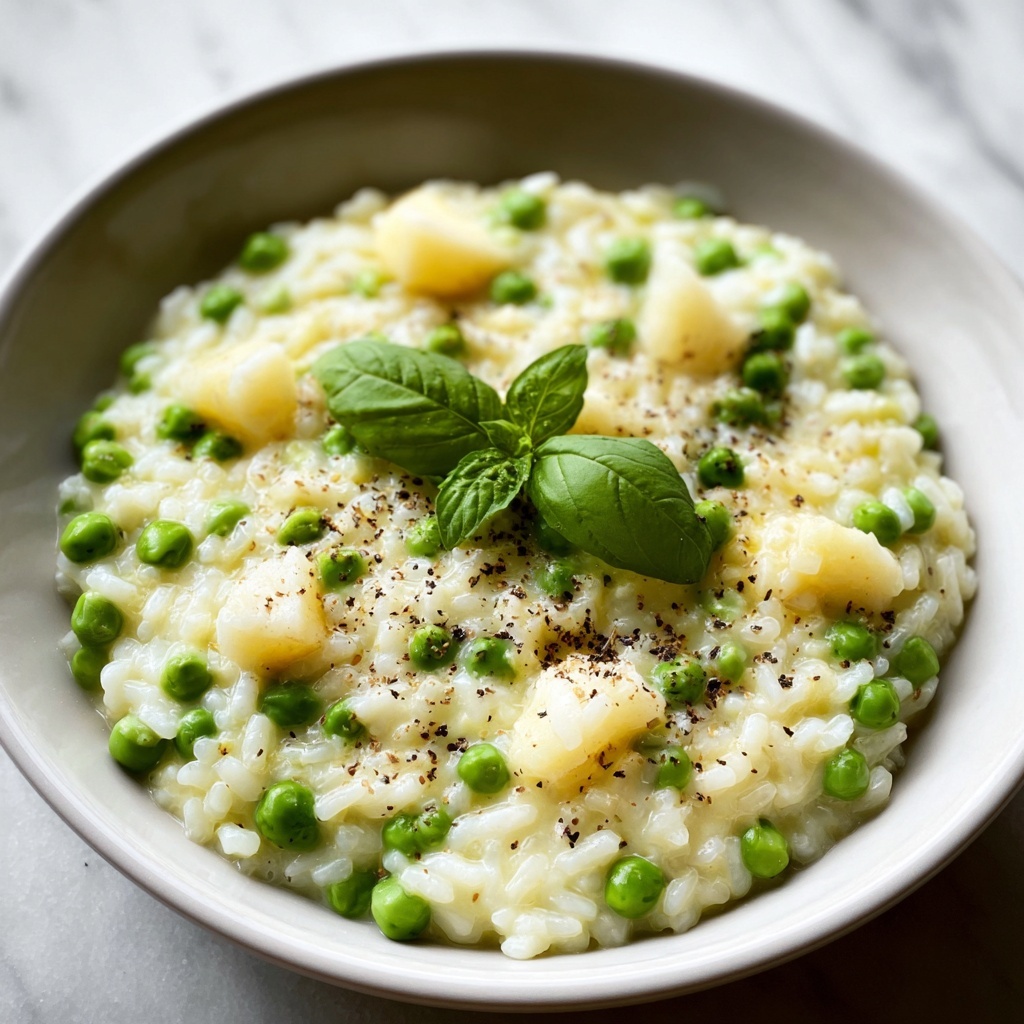
Every ingredient in this Fresh Pea Risotto Recipe plays an essential role in delivering that perfectly creamy texture, balanced flavors, and appealing freshness. They’re simple yet thoughtfully selected to bring out the best in this dish without overwhelming the delicate pea notes.
- Arborio rice: The star grain that creates that creamy, chewy risotto base.
- Fresh peas: Provide natural sweetness and lovely pops of green color.
- Vegetable broth: Infuses gentle savoriness while cooking the rice slowly.
- Onion: Adds depth and subtle sweetness once sautéed.
- Garlic: Offers aromatic warmth that complements the peas beautifully.
- Parmesan cheese: Brings richness and umami for that classic risotto finish.
- Olive oil: Used for sautéing to keep everything flavorful and light.
- Butter: Adds silkiness and smooth mouthfeel to the final dish.
- Lemon zest: Provides a fresh brightness just before serving.
How to Make Fresh Pea Risotto Recipe
Step 1: Warm the Broth
Begin by heating your vegetable broth in a saucepan over low heat. Keeping it warm is key because adding cold broth to the risotto during cooking can disrupt the creamy texture you want to achieve. This step sets the foundation for the rice to absorb flavor gently and cook evenly.
Step 2: Sauté the Aromatics
In a large skillet, warm olive oil over medium heat and sauté the chopped onion until translucent and soft. This mellow sweetness is essential to flavor the risotto deeply. Next, add the minced garlic and cook just until it becomes fragrant, being careful not to let it brown or burn for the best flavor balance.
Step 3: Toast the Arborio Rice
Stir the Arborio rice into the skillet with the onions and garlic. Toast the rice for about 2 minutes, stirring constantly, until the grains become slightly translucent around the edges. This helps the rice release starch slowly during cooking, creating that beloved creamy texture.
Step 4: Gradually Add Warm Broth
Now comes the heart of the risotto-making process. Add one ladle of warm vegetable broth to the rice and stir continuously until almost completely absorbed. Repeat this process, adding broth little by little and stirring, which encourages the rice to release its starch. Patience here is rewarded with creamy, luscious risotto.
Step 5: Stir in Fresh Peas
About halfway through cooking — roughly 10 minutes in — fold the fresh peas into the risotto. Their natural sweetness brightens the dish. Continue adding the broth and stirring until the rice is tender but still has a bite to it, typically around 18 to 20 minutes total cooking time.
Step 6: Finish with Butter and Cheese
Once the rice is perfectly al dente, remove the pan from heat. Stir in a generous knob of butter and freshly grated Parmesan cheese. This final blend brings the risotto a silky richness and depth of flavor. Serve immediately topped with a sprinkle of lemon zest to give it a fresh, zesty lift.
How to Serve Fresh Pea Risotto Recipe
Garnishes
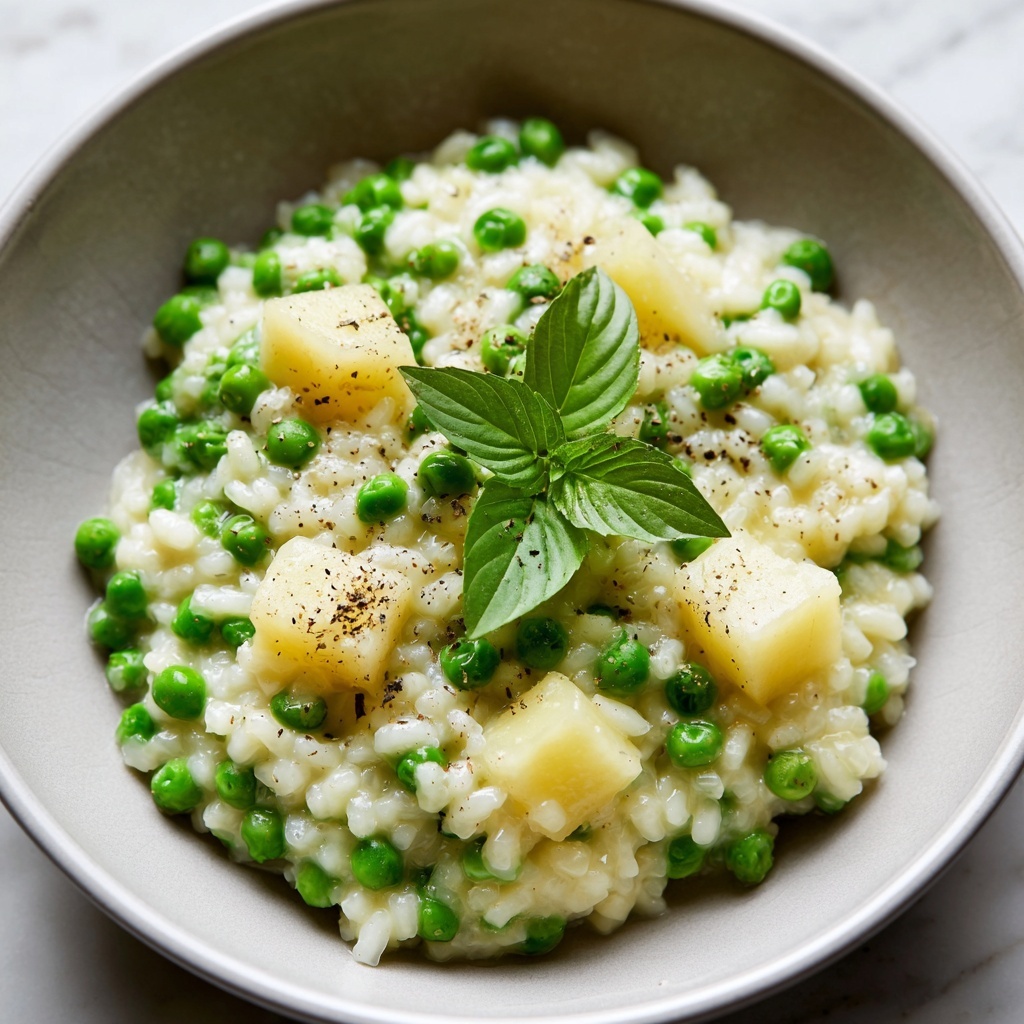
Fresh herbs like mint or basil brighten the dish beautifully, adding aromatic contrast to the creamy risotto. A little extra parmesan on top or a drizzle of high-quality olive oil can also elevate the presentation and flavor. Citrus zest is a must for that fresh snap in every bite.
Side Dishes
This risotto pairs wonderfully with light, crisp salads to balance its creaminess. A simple arugula salad with lemon vinaigrette or a roasted vegetable platter complements the fresh, garden flavors. For protein, grilled chicken or seared scallops make excellent companions without overpowering the delicate nature of the peas.
Creative Ways to Present
For a friendly dinner party, consider serving the Fresh Pea Risotto Recipe in individual shallow bowls garnished with edible flowers or microgreens. You can also turn it into a risotto cake by cooling the risotto, shaping it into patties, and pan-frying lightly for a crispy exterior contrast. These presentations make the dish feel special and inviting.
Make Ahead and Storage
Storing Leftovers
Leftover risotto should be cooled to room temperature promptly and stored in an airtight container in the refrigerator. It will keep well for up to 2 days, making it an easy dish to enjoy again without sacrificing flavor or texture.
Freezing
While freezing risotto is possible, it can sometimes affect the texture, especially with fresh peas. If you choose to freeze, portion it into airtight containers and consume within 1 month. Thaw overnight in the refrigerator before reheating gently to retain the creaminess as much as possible.
Reheating
To reheat leftover Fresh Pea Risotto Recipe, add a splash of vegetable broth or water to loosen the rice and gently warm it in a skillet over low heat, stirring often. This method revives the creamy texture better than using a microwave, which can dry it out.
FAQs
Can I use frozen peas instead of fresh peas?
Definitely! Frozen peas are a convenient substitute and work well in this recipe. Just add them at the same time you would fresh peas and adjust the cooking time slightly if needed.
Is Arborio rice essential, or can I use other types?
Arborio rice is preferred because of its high starch content, which gives risotto its signature creaminess. Other types like Carnaroli or Vialone Nano are also great for risotto, but regular long-grain rice won’t achieve the same texture.
Can I make this risotto vegan?
Yes! Simply omit the butter and Parmesan cheese, and substitute with vegan butter and nutritional yeast or a plant-based cheese alternative. The flavor will remain fresh and vibrant.
How do I know when the risotto is done?
The rice should be tender but still have a slight bite in the center, known as al dente. The overall texture should be creamy and not mushy, with each grain retaining its shape.
What’s the secret to getting creamy risotto?
The key is slow addition of warm broth with constant stirring. This encourages the rice to release starch gradually, resulting in that irresistibly creamy texture that defines a great risotto.
Final Thoughts
This Fresh Pea Risotto Recipe is a delicious way to celebrate simple, fresh ingredients with results that feel indulgent yet approachable. The bright sweetness of peas combined with the creamy, cheesy Arborio rice is a combination you’ll find yourself craving again and again. So grab your ingredients, embrace the comforting stirring ritual, and bring a touch of fresh, vibrant joy to your next meal!
Print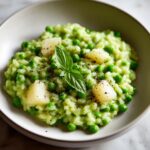
Fresh Pea Risotto Recipe
- Prep Time: 10 minutes
- Cook Time: 20 minutes
- Total Time: 30 minutes
- Yield: 4 servings
- Category: Main Dish
- Method: Stovetop
- Cuisine: Italian
- Diet: Vegetarian
Description
This Fresh Pea Risotto is a creamy and comforting Italian classic made with Arborio rice, fresh peas, and a flavorful vegetable broth base. Sautéed onions and garlic add depth, while Parmesan cheese and a touch of butter create a rich, velvety finish. A sprinkle of lemon zest provides a bright, fresh finish, making this risotto a perfect springtime dish that’s both elegant and easy to prepare.
Ingredients
Main Ingredients
- 1 cup Arborio rice
- 1 cup fresh peas
- 4 cups vegetable broth
- 1 medium onion, chopped
- 2 cloves garlic, minced
- 1/2 cup freshly grated Parmesan cheese
- 2 tablespoons olive oil
- 2 tablespoons butter
- Zest of 1 lemon
Instructions
- Warm the broth: Heat the vegetable broth in a saucepan over low heat to keep it warm throughout the cooking process, ensuring a smooth and even cooking of the rice.
- Sauté aromatics: In a large skillet, heat olive oil over medium heat. Add the chopped onion and sauté until translucent, about 5 minutes. Stir in the minced garlic and cook for an additional 1 minute until fragrant.
- Toast the rice: Add the Arborio rice to the skillet with the onions and garlic, stirring constantly for about 2 minutes until the rice grains become slightly translucent. This helps to develop flavor and texture.
- Add broth gradually: Begin adding the warm vegetable broth one ladleful at a time, stirring continuously. Wait for each addition to be mostly absorbed before adding the next. This gradual cooking process releases the rice’s starch to create a creamy texture.
- Incorporate fresh peas: When you have added about half the broth and the rice has been cooking for roughly 10 minutes, stir in the fresh peas. Continue adding broth and cooking until the rice is al dente, approximately 18 to 20 minutes total.
- Finish the risotto: Remove the skillet from heat. Stir in the butter and freshly grated Parmesan cheese until melted and smooth, giving the risotto a rich and creamy finish.
- Serve with lemon zest: Plate the risotto immediately and garnish with lemon zest to add a bright and refreshing contrast to the creamy dish. Enjoy warm.
Notes
- Use fresh peas for the best flavor, but frozen peas can be used as a substitute—add them slightly earlier as they take longer to cook.
- Keep the broth warm to maintain an even cooking temperature and prevent the rice from cooling down when broth is added.
- Do not rush stirring; continuous stirring helps release the starches that make risotto creamy.
- Feel free to add fresh herbs like mint or basil for added freshness.
- If you want a richer risotto, add an extra tablespoon of butter at the end.