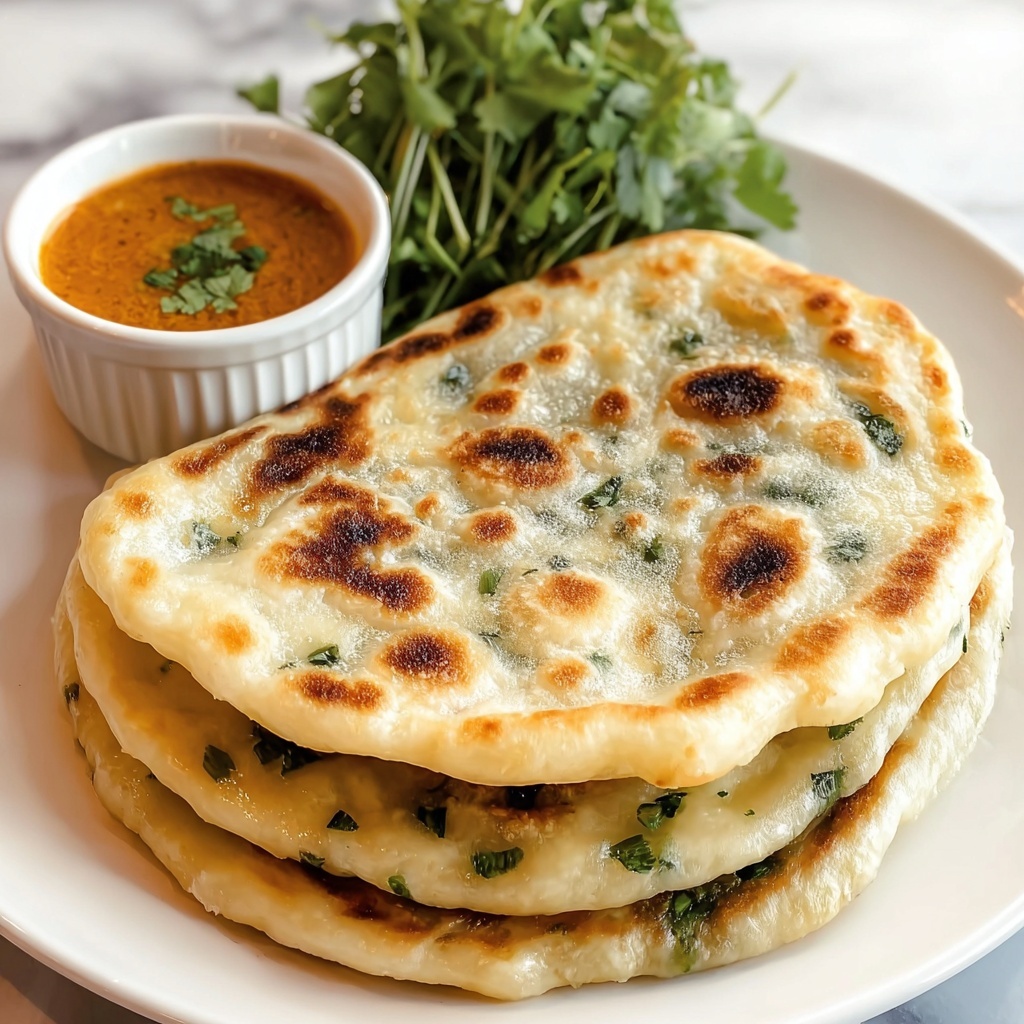
If you’re craving a bread that’s irresistibly soft, slightly chewy, and perfect for scooping up spicy stews or savoring with a drizzle of honey, the Moroccan Folded Flatbread Recipe is about to become your new kitchen obsession. This delightful flatbread brings together the humble ingredients of flour, yeast, and olive oil into a golden, foldable bread that carries centuries of North African culinary charm. Each bite feels like a warm hug, making it a must-try recipe whether you’re cooking for family, friends, or just treating yourself to something truly special.
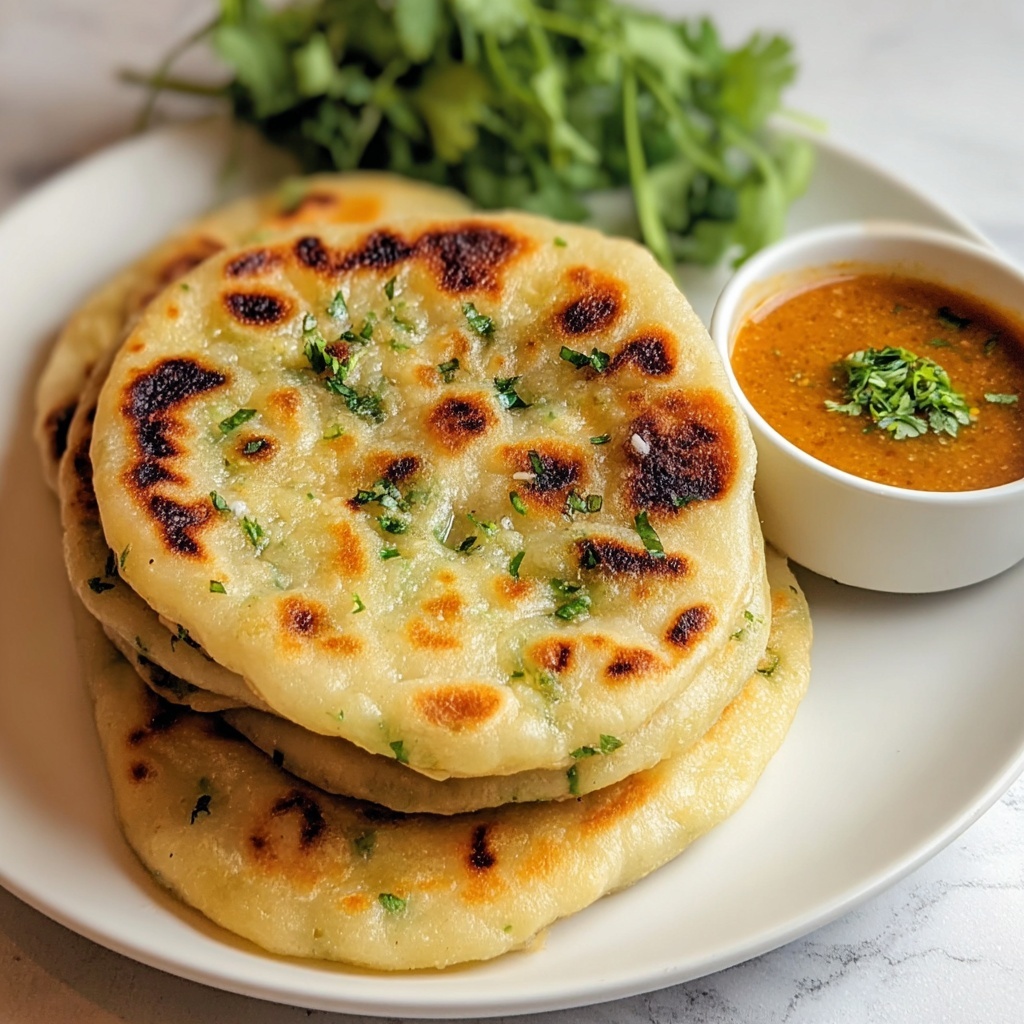
Ingredients You’ll Need
What makes the Moroccan Folded Flatbread Recipe shine is its simplicity. You only need a handful of basic ingredients, each one playing a crucial role in building the bread’s soft texture, delicious flavor, and beautiful color.
- 4 cups all-purpose flour: The backbone of the bread that provides structure and chewiness.
- 1 teaspoon salt: Enhances the overall flavor, balancing sweetness and fermentation.
- 1 tablespoon sugar: Feeds the yeast, helping the dough rise to fluffy perfection.
- 1 tablespoon instant yeast: Works quickly to create those lovely air pockets inside the flatbread.
- 1 ½ cups warm water: Activates the yeast and softens the dough, making it easy to knead.
- 2 tablespoons olive oil: Adds richness and a slight fruity aroma while keeping the dough tender.
How to Make Moroccan Folded Flatbread Recipe
Step 1: Mix the dry ingredients
Start by combining your flour, salt, sugar, and instant yeast in a large bowl. Mixing these dry helps distribute the yeast evenly so every bite rises beautifully. When you first mix them, the aroma of yeast will tempt you to get cooking right away.
Step 2: Add water and olive oil then knead the dough
Pour warm water and olive oil into the dry mixture, then knead until the dough turns smooth and elastic. This step is key for that soft yet sturdy texture typical of Moroccan flatbreads. Don’t rush it; the kneading develops the gluten and ensures your bread won’t be dense.
Step 3: Let the dough rise
Cover your dough and let it rest for about an hour until it doubles in size. This rising period is when the magic happens — the yeast ferments and creates tiny bubbles that make the bread wonderfully light and airy.
Step 4: Divide and shape the dough
Once risen, punch down the dough gently and divide it into eight even pieces. Shape each piece into a ball to maintain uniform cooking. Shaping balls might seem simple, but it helps give the flatbreads a consistent texture and thickness.
Step 5: Flatten the dough balls
Press each ball into a round shape about ½ inch thick. The thickness is perfect; too thin and you lose the chewy bite, too thick and it won’t cook evenly. This step creates the foundation for that delightful foldable nature.
Step 6: Cook on a hot griddle
Place the flattened dough onto a hot griddle or skillet and cook each side for 2–3 minutes until you see golden brown spots. This quick cooking seals in the softness and adds a slight crunch at the edges, making every bite a textural joy.
Step 7: Serve or store for later
Enjoy your flatbreads warm for the best experience, or store them in a sealed container to keep them soft. This recipe’s versatility means you can make it ahead or whip up fresh flatbreads whenever the craving hits.
How to Serve Moroccan Folded Flatbread Recipe
Garnishes
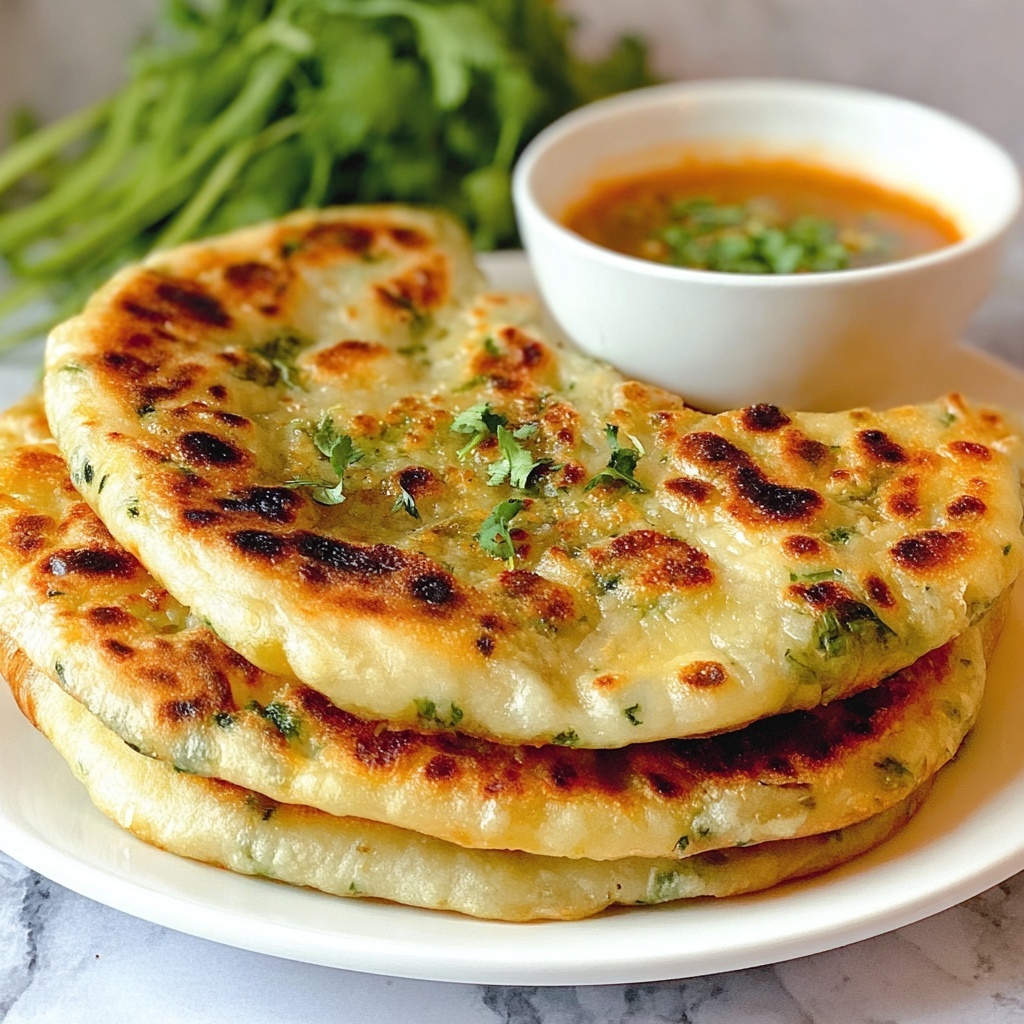
Adding a sprinkle of freshly chopped parsley, a smear of homemade harissa, or a drizzle of fragrant olive oil on your Moroccan Folded Flatbread Recipe instantly elevates it. These garnishes complement the bread’s mild flavor and infuse it with vibrant color and aroma, making every slice feel festive and fresh.
Side Dishes
This flatbread pairs beautifully with tagines, grilled vegetables, and spicy chickpea stews, soaking up the rich sauces and intensifying every bite. For a lighter meal, try it alongside tangy yogurt dips or a crisp Moroccan salad for a perfect balance of textures and flavors.
Creative Ways to Present
Think beyond just bread on a plate. Fold the flatbreads around grilled meats or falafel to make quick wraps, or tear them into pieces to create a rustic bread basket for dips. You can even use them to scoop up hummus or layer them with cheese and tomato for an improvised Moroccan-inspired sandwich.
Make Ahead and Storage
Storing Leftovers
Wrap any leftover flatbreads tightly in plastic wrap or place them in an airtight container to preserve freshness. Stored this way in the refrigerator, they’ll stay soft and ready to warm up within a couple of days.
Freezing
For longer storage, freeze the flatbreads by stacking them with parchment paper between each piece to prevent sticking. Place them in a freezer-safe bag and you’ll have quick, homemade flatbreads on hand whenever you need them.
Reheating
To bring frozen or refrigerated flatbreads back to life, warm them gently on a hot skillet or griddle for a minute or two each side. This method restores their soft, foldable texture better than microwaving, keeping that fresh-from-the-oven feel.
FAQs
Can I use whole wheat flour instead of all-purpose flour?
Absolutely! You can swap all-purpose flour for whole wheat for a nuttier flavor and more fiber, though the texture will be a little denser. You might want to add a touch more water as whole wheat absorbs liquid differently.
What is the purpose of folding the flatbread?
The folding step helps create layers inside the bread, contributing to a chewiness that’s both tender and satisfying. It also makes the bread wonderfully flexible and perfect for wrapping around savory fillings.
Can I make this recipe without yeast?
Yeast is essential for achieving the signature airy texture of Moroccan folded flatbread. Without it, the bread will be denser and lack that soft puffiness. For a yeast-free alternative, consider unleavened flatbreads like tortillas or chapati.
How long can I keep the flatbreads at room temperature?
It’s best to consume them within 1–2 days if kept at room temperature, wrapped in a clean cloth to maintain moisture. Beyond that, they might begin to dry out or lose their delightful softness.
Can I add herbs or spices to the dough?
Definitely! Adding ingredients like Za’atar, cumin, or fresh herbs can add an exciting twist to the Moroccan Folded Flatbread Recipe. Just mix them in with the dry ingredients for a subtle infusion of flavor that pairs nicely with many Moroccan dishes.
Final Thoughts
There’s something truly magical about pulling together such simple ingredients and transforming them into the warm, comforting Moroccan Folded Flatbread Recipe. It’s a testament to classic home cooking that’s easy, rewarding, and perfect for sharing. Give it a try, and you might just find yourself baking these golden loaves over and over again.
Print
Moroccan Folded Flatbread Recipe
- Prep Time: 15 minutes
- Cook Time: 15 minutes
- Total Time: 1 hour 30 minutes
- Yield: 8 flatbreads
- Category: Bread
- Method: Stovetop
- Cuisine: Moroccan
- Diet: Vegetarian
Description
This Moroccan Folded Flatbread recipe results in soft, golden, and fluffy flatbreads perfect for scooping up stews, spreading with dips, or enjoying on their own. Made with simple pantry staples, the dough is easy to prepare, allowed to rise for a light texture, and griddled to a deliciously tender finish.
Ingredients
Dry Ingredients
- 4 cups all-purpose flour
- 1 teaspoon salt
- 1 tablespoon sugar
- 1 tablespoon instant yeast
Wet Ingredients
- 1 ½ cups warm water
- 2 tablespoons olive oil
Instructions
- Combine Dry Ingredients: In a large bowl, mix together the all-purpose flour, salt, sugar, and instant yeast to ensure even distribution.
- Add Wet Ingredients and Knead: Pour in the warm water and olive oil, then knead the mixture until a smooth, elastic dough forms, which should take about 8-10 minutes by hand.
- Allow Dough to Rise: Cover the bowl with a damp cloth and let the dough rise in a warm place for about 1 hour or until it has doubled in size, confirming the yeast is active.
- Divide and Shape Dough: Once risen, punch down the dough gently and divide it into 8 equal pieces. Shape each piece into a smooth ball.
- Flatten Dough Balls: On a lightly floured surface, flatten each ball into a round flatbread roughly ½ inch thick.
- Cook on Griddle: Heat a dry, hot griddle or skillet over medium-high heat. Cook each flatbread for 2-3 minutes on each side until golden brown spots appear and the bread is cooked through.
- Serve or Store: Serve the flatbreads warm or allow them to cool and store in a sealed container to keep fresh.
Notes
- Make sure the water is warm, not hot, to activate the yeast without killing it.
- Kneading dough well develops gluten, which creates a soft texture.
- The flatbread can be kept in an airtight container for up to 2 days or frozen for longer storage.
- If preferred, add herbs or spices like za’atar or cumin to the dough for additional flavor.
- Use a cast-iron skillet or non-stick pan for best cooking results on the griddle step.